 Supply Chain LabHow Supply Chains Save Lives · A 5-Minute StorySupply Chain LabHow Supply Chains Save Lives · A 5-Minute Story
Doctors treat you. But when a pandemic hits, someone has to figure out who gets the vaccine first, which clinic has it, and how it gets there before it spoils. That someone? Supply chain people. Here’s how we did it for a whole city - for real.
Melbourne, COVID. 5.1 million people, everyone needs two doses, and vaccines arrive in tiny, unpredictable batches. The government calls us and asks:
You can’t answer that with opinions - people would riot. You answer it with data, maps and maths. So that’s what we did.
We mapped every single suburb: where do the grandparents live? The heart patients? The diabetics? And where is the virus spreading fastest, right now?
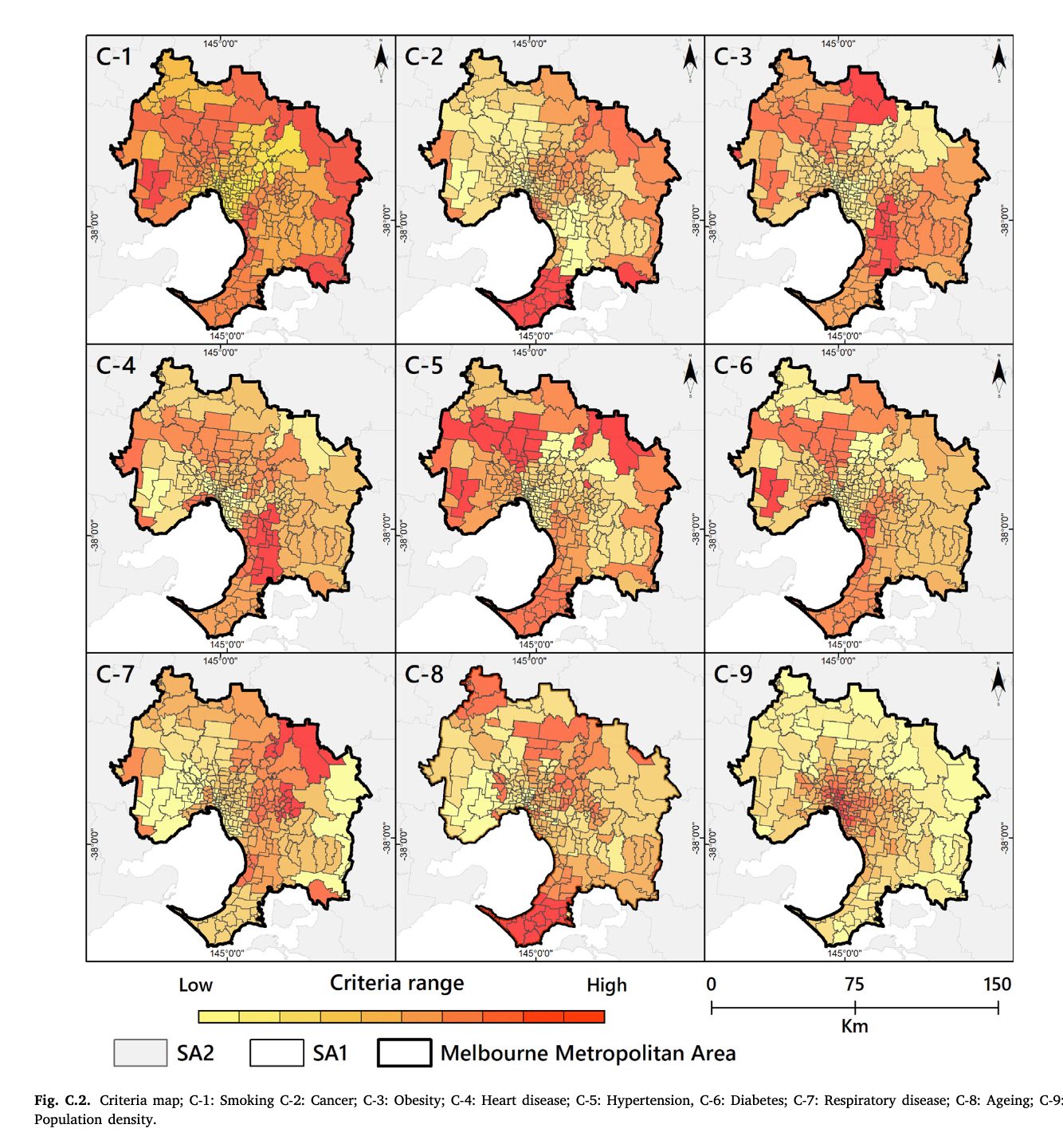
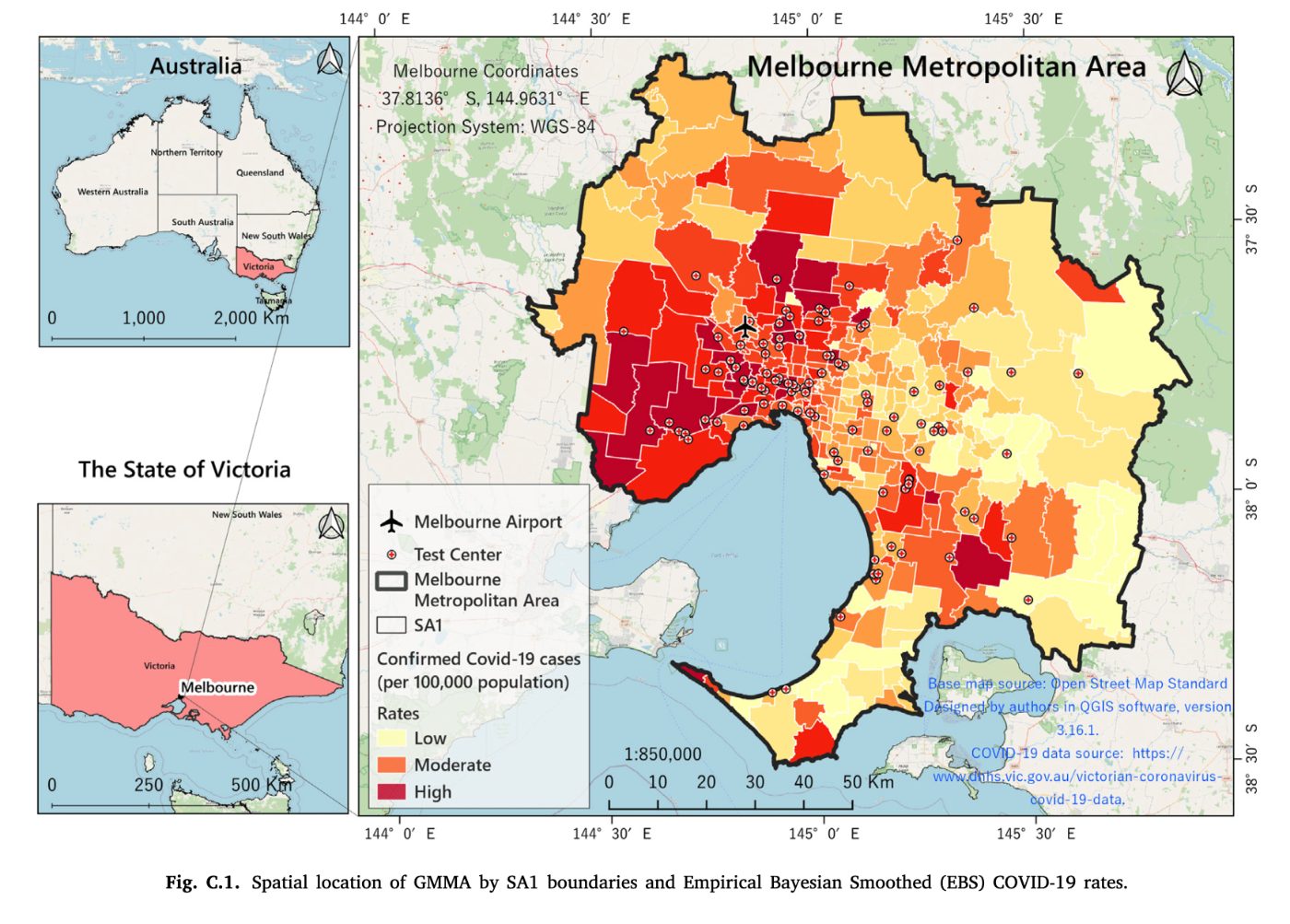
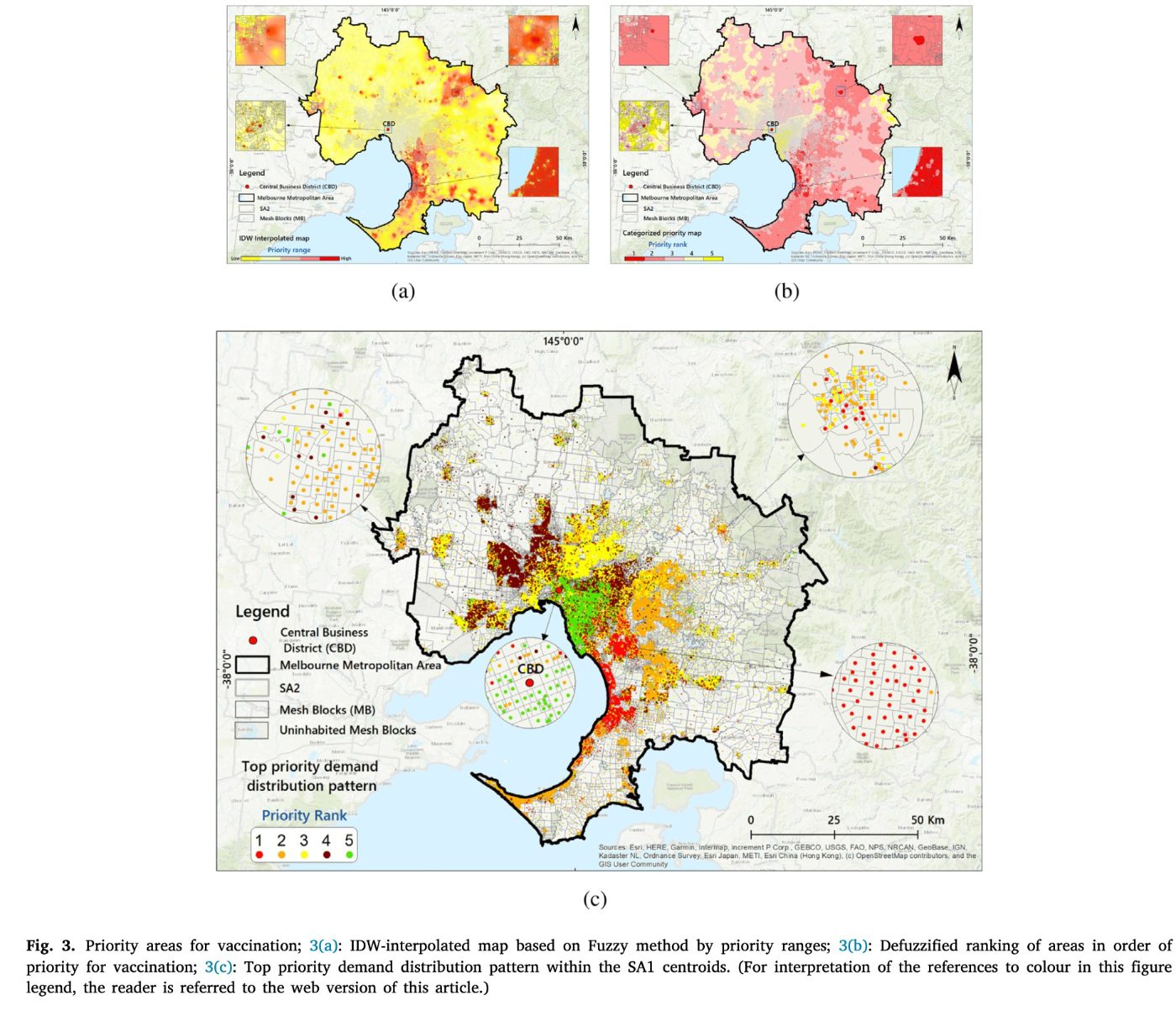
All those maps fuse into one. Red = go first. Green = you can wait. Computed and fair - nobody can argue their suburb to the front of the queue.
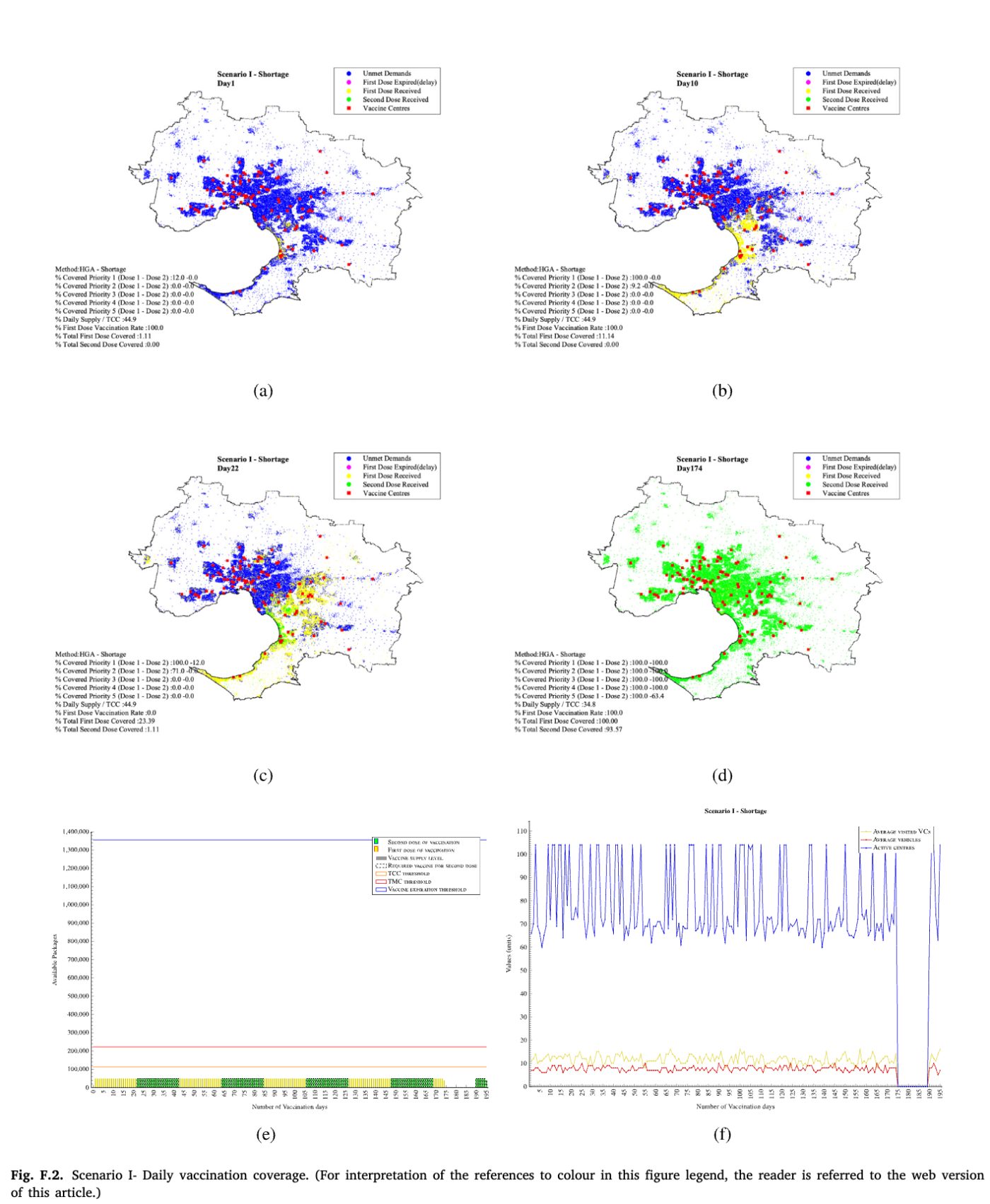
The model books everyone in, day by day, for 174 days. And every first jab is a promise: your second dose is reserved for you, three weeks later. Break that promise and people stop trusting the whole campaign.
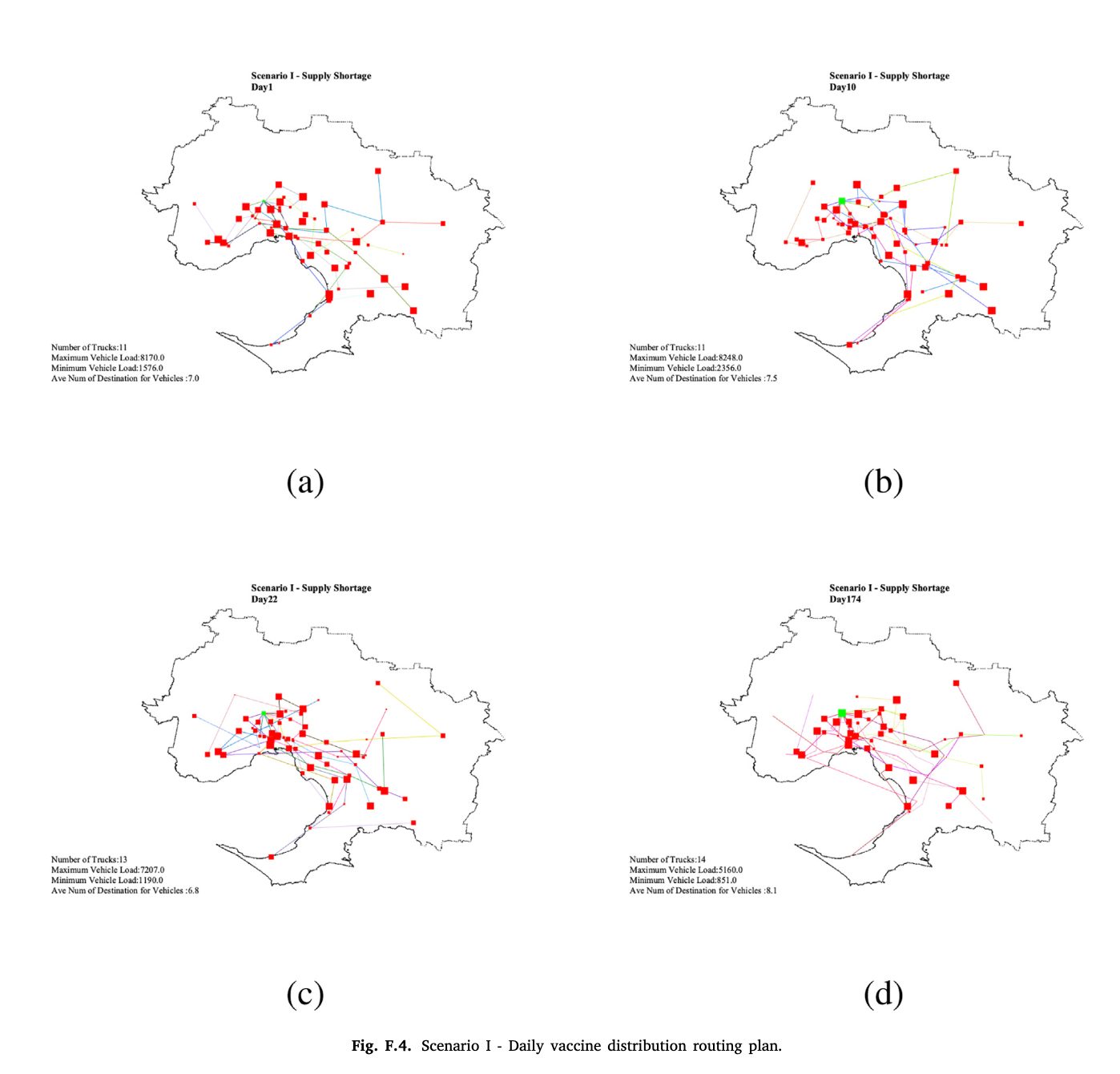
Vaccines are divas: too warm - ruined. Too late - wasted. Every day the model plans which truck goes where, in what order, carrying exactly how many doses.
Sound familiar? Some people want Pfizer, some are fine with AstraZeneca, some will wait weeks for their pick. Ignore that and doses expire on shelves while people queue elsewhere. Our newest research builds those preferences straight into the maths of what to buy.
Illustrative split for discussion - the research models preference as uncertain, which is exactly the point.
No cartoons here - this is the published simulation’s real output for Scenario I: shortage. Watch Melbourne turn from blue (waiting) to green (protected), one day at a time.
Cheap chocolate, concert tours, flood relief, pandemics - it’s all the same skill: deciding who, where, when and how when there isn’t enough to go around. Study supply chain, and problems like this become your day job. (True story: published in Transportation Research Part E, 2022 - built at RMIT.)
Scan the code and play Vaccine Rush: split scarce doses, route the cold-chain vans, beat our algorithm. Up here, the live simulation keeps running - Scenario III is the supply crash.

A scroll-through story of a published vaccine-distribution decision support system: from mapping the vulnerable to routing refrigerated trucks, ending in a live simulation.
Each chapter shows one decision from the real Greater Melbourne study - risk mapping, prioritisation, scheduling, routing, vaccine preferences - using the paper's own figures.
Prioritise by risk, keep the second-dose promise, respect people's preferences, and re-optimise fast when supply is disrupted.